Teen self-belief guide
Why Self-Belief Matters for School, Friendships and Exams
Self-belief is not just a nice feeling. For teenagers, it can shape how they learn, how they connect with others, how they handle pressure and how they see their future.
When a teenager starts believing those thoughts, school feels harder, friendships feel riskier and exams feel overwhelming. Building self-belief helps them take action even when they feel nervous.
A practical guide for parents, carers, teenagers and young adults who want confidence to feel possible.

The quick answer: self-belief helps teenagers try, recover and keep going
Self-belief matters because teenagers who believe they can improve are more likely to ask questions, revise, speak up, make friends, learn from mistakes and try again after setbacks.
How Bravory’s 6-week programme helps
Bravory’s 6-week Teen Confidence Mastery programme helps young people build self-belief through short online learning, inner-critic awareness, communication tools, decision-making support and a practical 30-day Confidence Building Challenge.
Why self-belief matters at school
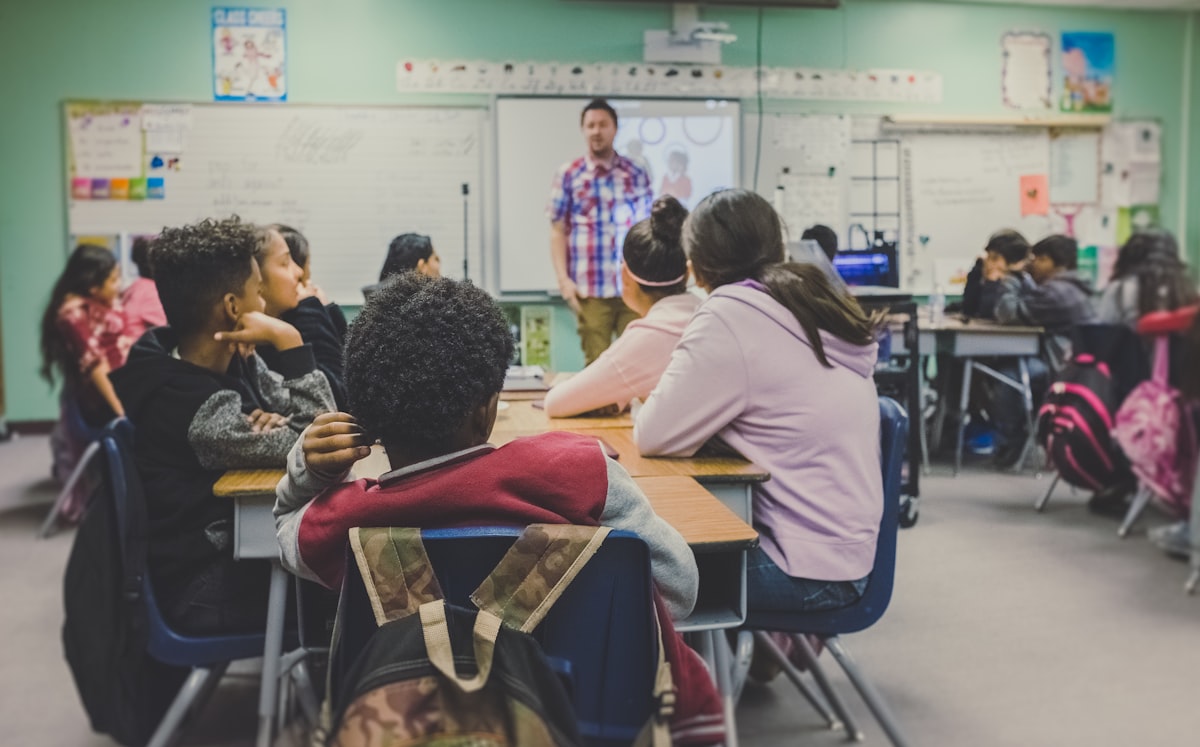
School is full of moments where teenagers need confidence: answering a question, asking for help, joining a group, trying a new subject, coping with feedback or staying focused when learning feels difficult.
A teenager with low self-belief may avoid effort because effort feels risky. If they try and fail, they may think it proves they are not good enough. A teenager with growing self-belief can begin to see effort differently: as practice, progress and learning.
- They are more likely to ask for help
- They can handle mistakes with more resilience
- They become more willing to participate
- They start seeing progress instead of only pressure

Why self-belief matters for friendships
Friendships can be one of the biggest sources of joy for teenagers, but also one of the biggest sources of worry. A teenager with low self-belief may overthink messages, assume they are unwanted, stay quiet in groups or accept poor treatment because they fear being left out.
Self-belief helps teenagers recognise their worth. It helps them communicate, set boundaries, join conversations and choose friendships that feel healthier.
Why self-belief matters for exams
Exams can make teenagers feel as if their whole future is being judged in one moment. Without self-belief, revision can feel pointless, mistakes can feel final and pressure can become overwhelming.
Self-belief gives a teenager a steadier message: “I can prepare. I can improve. I can do the next useful thing.” That mindset supports revision, focus and resilience.
-
Self-belief makes revision feel more worthwhile
Teenagers are more likely to revise when they believe effort can improve performance.
-
Self-belief helps them recover from a difficult paper
One hard moment does not have to define the next one.
-
Self-belief supports calmer action
They can focus on the next step rather than spiralling into “I can’t do this.”

Signs a teenager may need help building self-belief
Low self-belief can show up in different ways. Some teenagers become quiet. Others become defensive. Some appear not to care because caring feels too vulnerable.
Avoidance
They avoid homework, revision, clubs, conversations or opportunities because trying feels too risky.
Negative self-talk
They often say things like “I’m useless”, “I can’t”, “I’m awkward” or “Everyone else is better”.
Fear of judgement
They overthink what others will say, think or post, and this can stop them joining in.
How teenagers can start building self-belief
Self-belief grows when teenagers collect evidence that they can handle challenges. That evidence comes from action, reflection and support.
-
Notice the inner critic
The first step is helping a teenager spot unhelpful thoughts. “I will fail” is a thought, not a fact.
-
Take one small brave action
Self-belief grows through manageable action: asking one question, sending one message, revising one topic or trying one new activity.
-
Reflect on progress
After each action, ask: “What did I do well?” and “What did I learn?” This helps the brain notice growth.
-
Repeat until confidence feels more natural
Self-belief is not built in one dramatic moment. It is built through repeated small wins.

How the 6-week Teen Confidence Mastery programme supports self-belief
Teenagers often need more than encouragement. They need a structure that helps them understand themselves, practise new skills and take real steps forward.
The Bravory 6-week Teen Confidence Mastery programme helps young people build confidence from the inside out. It supports them with self-awareness, communication, courage, decision-making and practical action.
- Short online learning that fits around school
- Practical tools for managing self-doubt
- Confidence-building actions teenagers can practise
- Support for communication and friendships
- A 30-day challenge to create momentum
- Encouragement for exams, choices and future goals
Help your teenager believe in what is possible
The next six weeks could give them tools they use for school, friendships, exams and life.
How parents can support self-belief without adding pressure
Parents play an important role, but support works best when it feels calm rather than critical. Teenagers need to know they are loved while they are growing, not only when they succeed.
- Praise effort, courage and honesty
- Avoid comparing them to siblings or classmates
- Ask what support would feel helpful
- Help them break challenges into smaller steps
- Remind them of previous moments of courage
- Focus on progress rather than perfection
Frequently asked questions
Why is self-belief important for teenagers?
Self-belief helps teenagers try, learn, speak up, make friends, recover from mistakes and face pressure with more resilience. It gives them the courage to take action even when they feel uncertain.
How does self-belief help at school?
It helps teenagers participate, ask for help, handle feedback and keep going when learning feels difficult. They begin to see effort as useful rather than risky.
How does self-belief affect friendships?
Self-belief helps teenagers communicate, set boundaries and choose healthier friendships. It can reduce the fear that they must change themselves to be accepted.
Can self-belief help with exam stress?
Yes. Self-belief does not remove exam pressure, but it helps teenagers focus on preparation, recovery and the next useful action instead of giving up.
Can self-belief be learned?
Yes. Self-belief can be developed through practice, reflection, support, positive self-talk and small repeated confidence-building actions.
Give your teenager a stronger foundation for school, friendships and exams
Self-belief can change how a teenager approaches almost everything. It can help them walk into school with more courage, build healthier friendships, face exams with more resilience and imagine a future they feel able to step into.
Bravory’s 6-week Teen Confidence Mastery programme gives young people a practical route to build that belief one step at a time.
This page provides general confidence-building guidance. It is not medical, therapeutic or safeguarding advice. If a young person is experiencing serious anxiety, depression, bullying, self-harm thoughts or a safeguarding concern, please contact a GP, school safeguarding lead, counsellor or qualified professional support service.